


Leadership: You Might Be the Problem — Blind Spots That Break Teams!
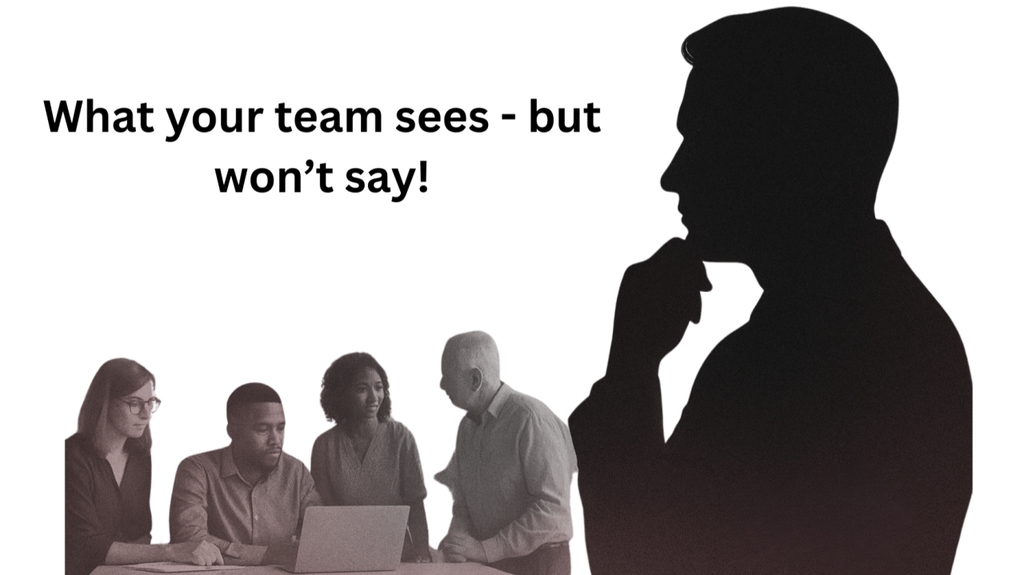
Leadership Leaves a Trail – Even in Silence
People may not always tell leaders the truth, but they constantly observe. They notice patterns, behaviors, and subtle shifts in tone and attention. In my two decades of leadership and advisory work, I’ve seen that what truly erodes team spirit, talent potential, and cultural fabric isn’t one-time failures or big decisions. It’s the silent drip of blind spots – the unexamined behaviors and attitudes that leaders carry without even realizing.
Sometimes, these blind spots are accidental. Sometimes, they are known but ignored, justified with intent or success. Either way, they have consequences.
Blind spots are leadership habits others clearly see, but the leader often doesn’t. And while they may seem minor in isolation, they quietly chip away at trust, morale, and engagement.
This article highlights the most common and impactful blind spots I’ve observed, along with why they happen, what they look like, and how they affect your organization.
10 Leadership Blind Spots You Cannot Afford to Ignore
1. Playing Favorites – Looks like: Regularly giving prime assignments, visibility, or informal access to a select few, even when others are equally or more competent. Why it happens: Leaders tend to rely on people they trust or are comfortable with, forming an “inner circle.” Over time, it becomes exclusionary. Impact: Others disengage, start holding back, or assume their efforts won’t matter. It stifles collaboration and breeds unhealthy competition.
2. Ego Over Empathy – Looks like: Deflecting feedback, being defensive, interrupting often, or refusing to admit mistakes. Why it happens: Leaders may confuse confidence with control or see vulnerability as weakness. Impact: Team members feel unheard and emotionally unsafe. Honest conversations are replaced by silent compliance.
3. Confusing Aggression with Authority – Looks like: Shouting, reprimanding in public, sarcasm, or intimidating body language. Why it happens: Some leaders replicate styles they were exposed to, believing fear commands respect. Impact: Team members shut down. Fear kills ownership. Productivity remains, but passion disappears.
4. Know-It-All Attitude – Looks like: Dominating meetings, dismissing alternate views, or always needing to be right. Why it happens: A need to establish control or protect status. Impact: The team stops offering ideas. Innovation slows down. Learning becomes one-way.
5. Underestimating the Team’s Capability – Looks like: Reluctance to delegate, micromanaging, or making decisions without involving the team. Why it happens: Lack of trust, fear of failure, or outdated views of capability. Impact: Growth stagnates. Team members feel disempowered and undervalued.
6. Taking the Team for Granted – Looks like: Infrequent appreciation, transactional interactions, assuming loyalty without investing in relationships. Why it happens: Busy schedules or a belief that results matter more than rapport. Impact: People start to emotionally withdraw. Retention becomes a challenge even when performance seems steady.
7. “God’s Gift to the Organization” Mindset – Looks like: Repeatedly highlighting one’s contributions, expecting special treatment, or dismissing others’ roles. Why it happens: Success turning into entitlement. Impact: The team distances itself emotionally. Collaboration and trust suffer.
8. Recognition with Strings Attached – Looks like: Every praise is followed by more tasks, tighter deadlines, or a guilt trip. Why it happens: Misconception that pressure motivates. Impact: Recognition feels manipulative. Motivation declines and resentment grows.
9. Putting People on the Defensive – Looks like: Blaming, nit-picking, sarcastic feedback, or making assumptions without facts. Why it happens: Poor emotional regulation or a stress response. Impact: People become guarded. Psychological safety erodes. Mistakes are hidden instead of corrected.
10. Acting on Gossip or Perception – Looks like: Decision-making based on hearsay, informal channels, or incomplete truths. Why it happens: Limited direct connection with team members, reliance on intermediaries. Impact: Trust breaks down. People stop believing in fairness. Groupism sets in.
Why Blind Spots Survive
Blind spots persist because leaders often hear filtered feedback. People hesitate to speak the full truth, especially when the leader appears closed off or defensive. Silence is mistaken for agreement, but it’s often self-protection.
Also, success sometimes hides blind spots. If results are good, leaders assume their style must be working. But in reality, performance may be coming despite their behavior, not because of it.
What Can Be Done: A Call to Reflective, Humble Leadership
✔️ Create safe spaces for feedback from those who have nothing to gain by flattering you. ✔️ Pay attention to energy drops: reduced initiative, quiet meetings, low emotional engagement. ✔️ Practice self-reflection weekly: What did I say, and how was it received? What did I miss? ✔️ Share your misses publicly. Humility builds more loyalty than perfection ever could. ✔️ Invite challenge. Let your team know it’s safe to disagree.
🪞 Final Thought
People don’t tell you everything. But they feel everything. Culture is not built by intent alone — it’s shaped by the quiet shadow of your behavior.
Every leader has blind spots. That’s human. But wise leaders don’t wait for the damage to show. They listen early, reflect often, and act with humility.
Because leadership isn’t about being perfect — It’s about being aware, accountable, and willing to grow.
If this reflection resonates with you, subscribe here for more editions of Candid Core where we explore practical insights at the intersection of HR, Leadership, and governance.
🧭 If you’re keen to self-reflect on your leadership, use the simple tool below to check in with yourself — honestly and without judgment.
👉 Leadership Self-Reflection Tool (A quick 10-point check to understand the signals you may be missing.)
